
- Introduction
- What is Blackwood and why haven’t I heard of it before?
- Is it really that good?
- The technicalities
- Benchmarks
- Steam Hardware
- Buy or skip?
Introduction
In the second half of last year, we saw two small studios announce ambitious crime games. One was Samson, an open-world brawler that was released in . The other one, BLACKWOOD, has its Act 1 available on Steam right now, on :
The game is split into three acts, with the other two set to release in and . The story and scope are already set in stone, so the developers don’t call it Early Access – it’s closer to a Life is Strange-like episodic format. IZilla Games provided me a review copy several days ago for the purposes of this write-up; while at it, I also did what I usually end up doing and reported over a dozen bugs, most of which have already been fixed for launch.
What is Blackwood and why haven’t I heard of it before?
I learned about Blackwood around the time it was announced and, while I haven’t followed its development closely, I kept it in the back of my mind. I was surprised to learn that it remained largely unnoticed, especially compared to Samson; so at last, I can set the record straight.
Blackwood is a linear, story-driven game set in 2012’s New York City. You play as Anton, a DVD store owner by day and a gun-for-hire by night. Act 1 consists of a prologue, 4 story missions, several side contracts unrelated to the overarching narrative, and a few arena-like courses; that part of the game is stated to take around 6 hours to finish. Playing story missions back-to-back will take much less time than that, but the game encourages you to space them out.
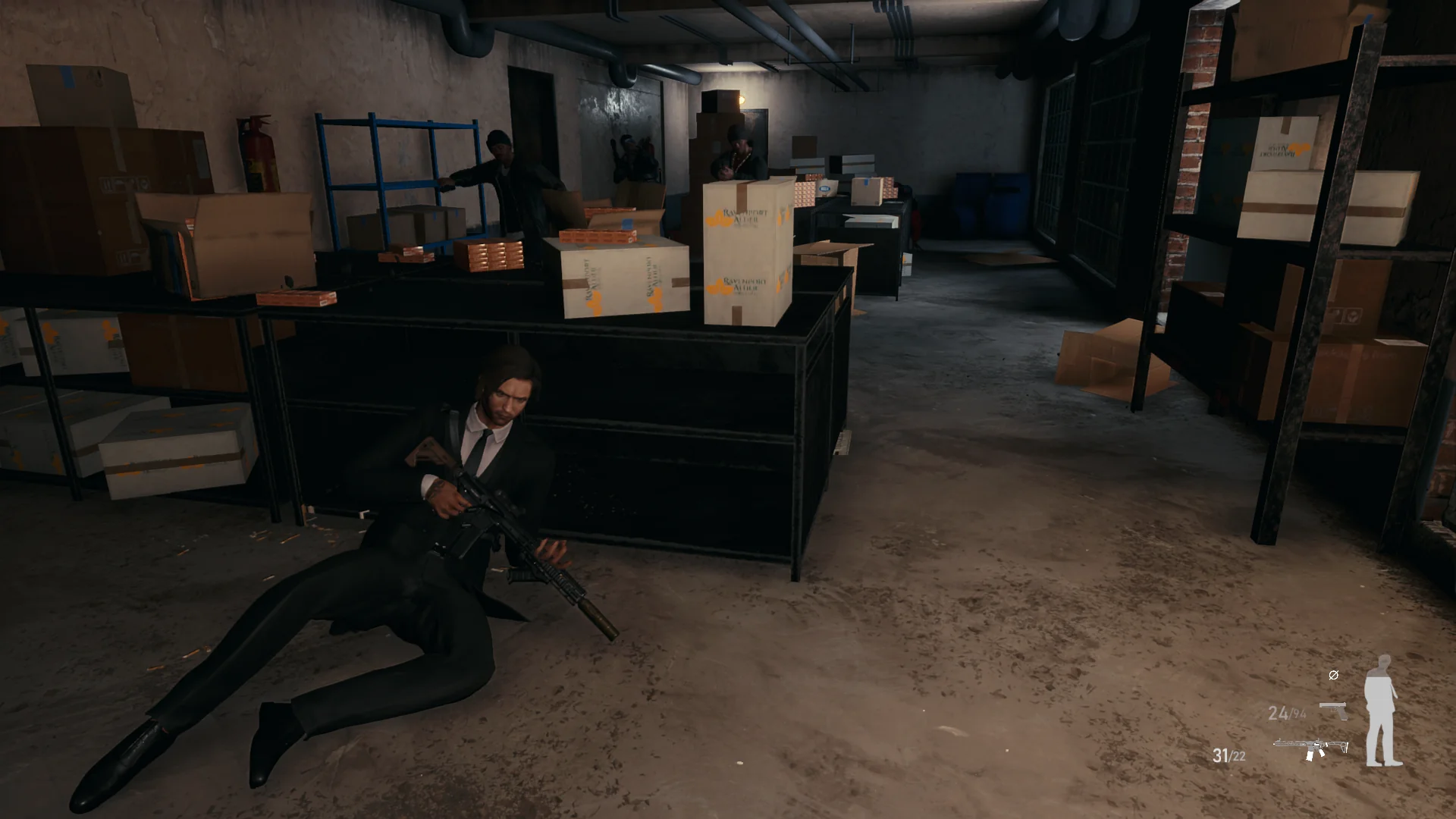
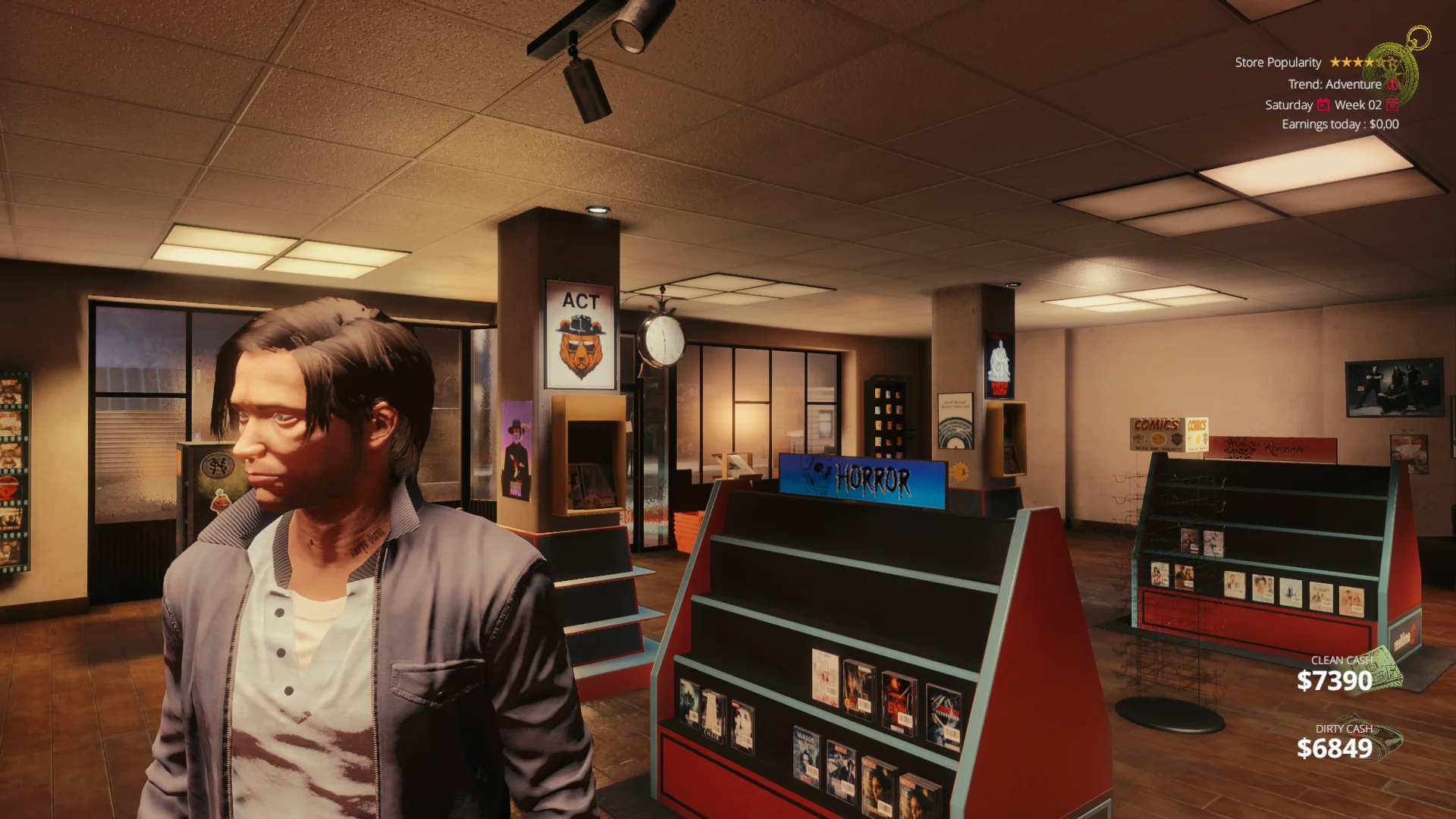
The gameplay of Blackwood mashes two very distinct loops together: the daytime DVD store activities are more than a minigame, and they make for a significant portion of Anton’s life. Depending on the player’s wishes, it can play like a role-playing game: the apartment lets you shower and prepare breakfast, watch TV, surf a limited range of Internet websites, or just smoke on the balcony and ponder. During that time, Blackwood asks the player to manage the entire store, with stock, maintenance, and some degree of “customer relations” all being part of it. At night, Anton takes on contracts, customizes his guns, and takes part in “events” like the fighting/arena competitions.
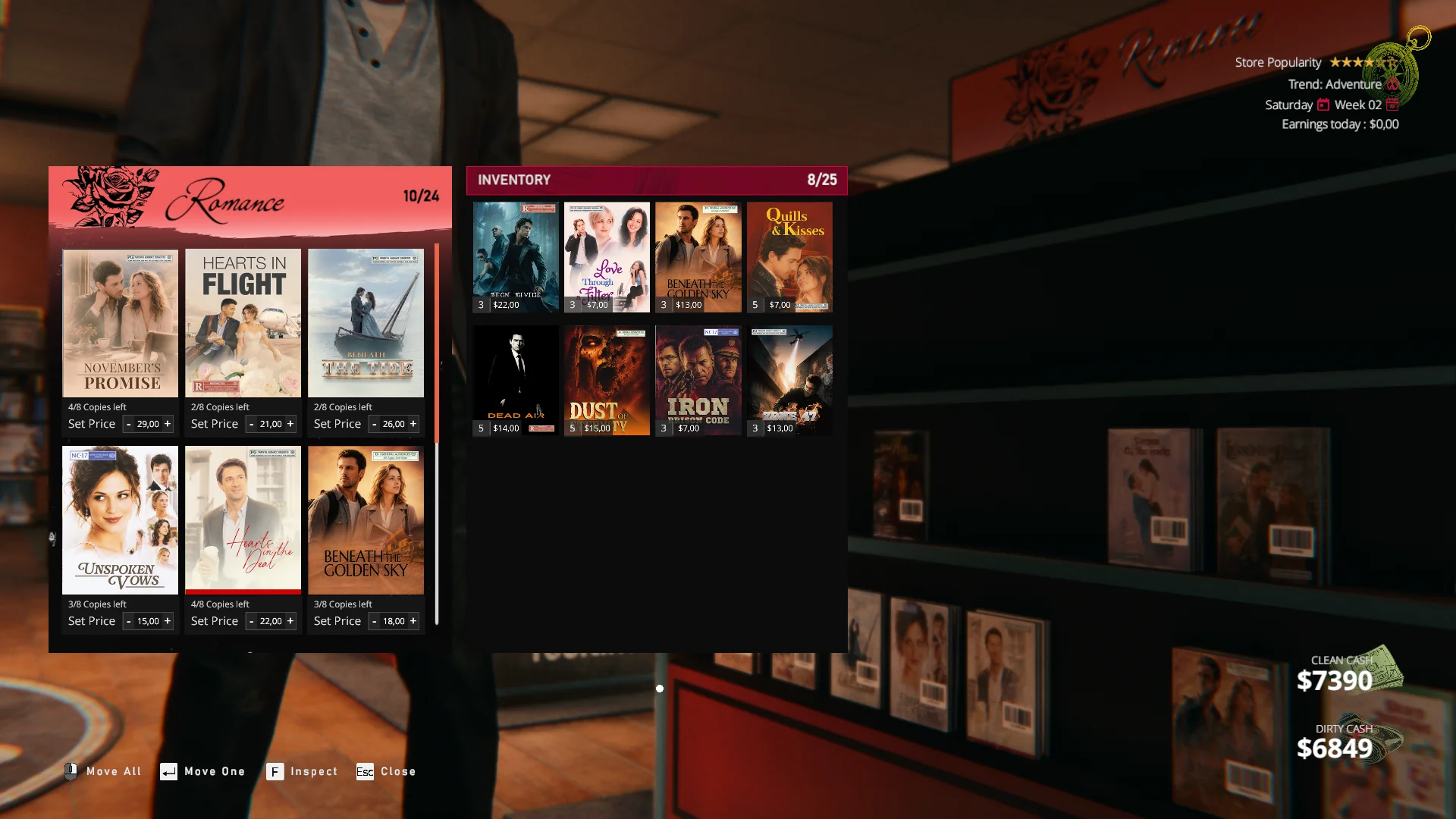
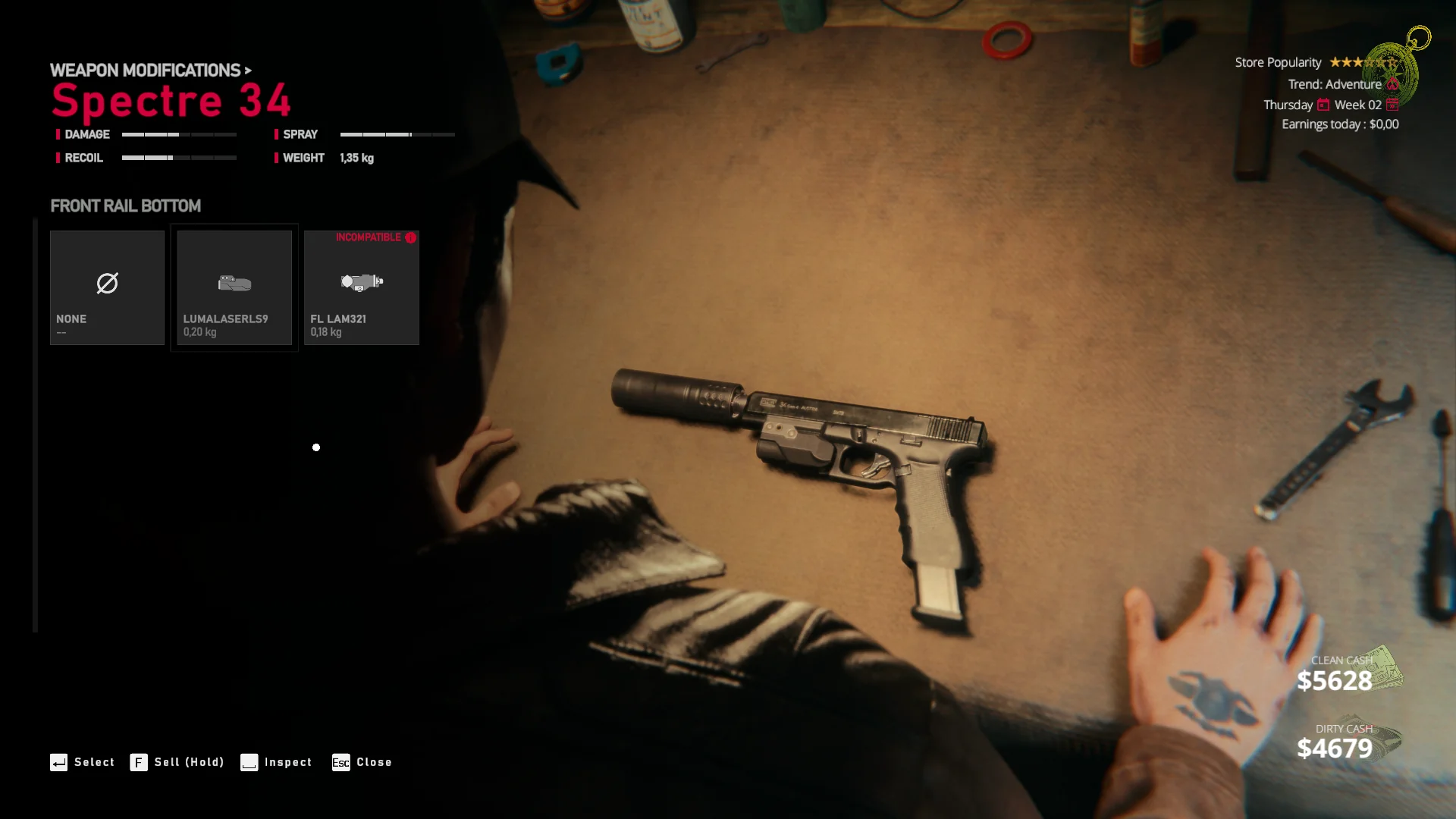
This concept gives the game an ambitious dichotomy and grants the player some freedom. As long as you can keep up with the payments, it’s up to you to decide how to balance the two lives Anton has, so there’s no rush to go through the selection of missions the game offers at the moment. None of the missions are time-gated, and side contracts cycle after several days, making it impossible to miss out if you spend a few days focusing on the DVD store. In a way, this makes sense role-play-wise – it’s logical not to take on “side gigs” like this every other night.
For the most part, I clicked with this mix of styles and pacing. The option to take your time in the DVD store and engage with (fully optional) sim-like elements makes Blackwood a much slower-paced game than you’d expect from the cover, but it does that in a good way. I remember how people praised the first two Mafia games for their mix of high-intensity missions separated by the “quiet moments” of driving back home, and how they let the tense parts of the game breathe out as the player is given enough time to process and wind down. Here, you’re incentivized to space the gun-for-hire missions out and let the “day” parts of the game play out slowly; and if you have the itch to explore the combat parts more between missions, a gun range and a set of wave-based missions are available. The entire package is shaped as if it was designed by someone who loved the role-playing servers in San Andreas Multiplayer and wanted to reflect the playstyle from those spaces in a standalone game.
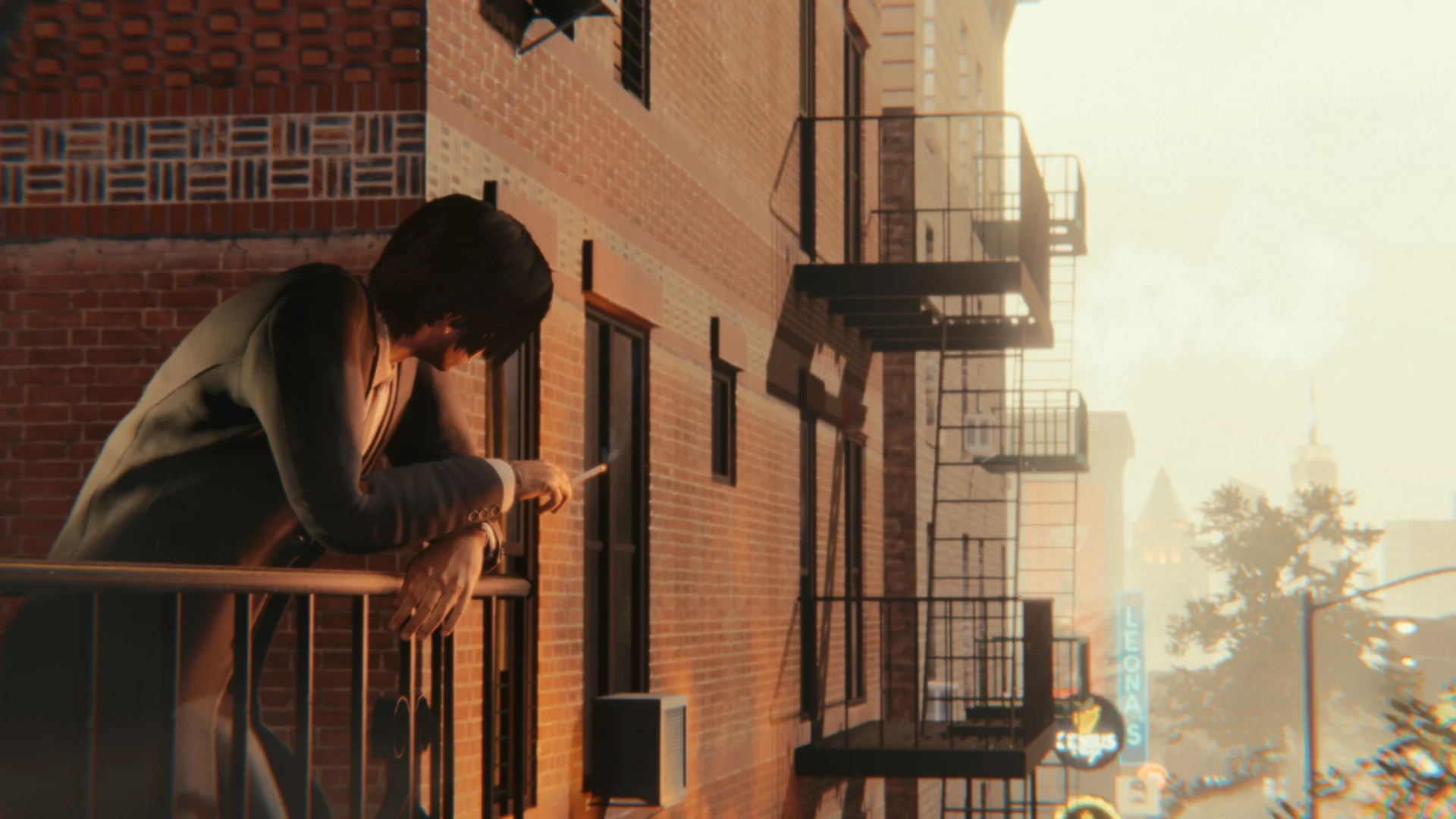
Setting the game in 2012 is a smart move for multiple reasons. It lets Blackwood show a small slice of New York City in a spot of history where DVD stores were still a thing, but were steadily fading out. A spot still fresh in everyone’s memories and modern, yet with the city skyline still lit by incandescent light bulbs and with people connecting online mainly via their PCs rather than smartphones. All those tiny things work in favour of the game’s neo-noir narrative and let it get away with some lack of polish common in games from those 15-ish years ago, but “inexcusable” in modern AAAs.
Is it really that good?
I view Blackwood through a lens of an ambitious game done by a smaller team on a low budget, that doesn’t try to bite off more than it can chew and knows exactly what it can or can’t do. The overall package has some rough edges, but everything is perfectly playable. In a way, it reminds me of RoboCop: Rogue City – that game knew exactly where its strong and weak spots were, and rolled with any jank it displayed. With Blackwood, it’s similar: you will certainly notice some “indie Unity game” taste to it, with NPCs awkwardly walking about or getting stuck, lighting looking severely off at times, or animations not always connecting as they should.

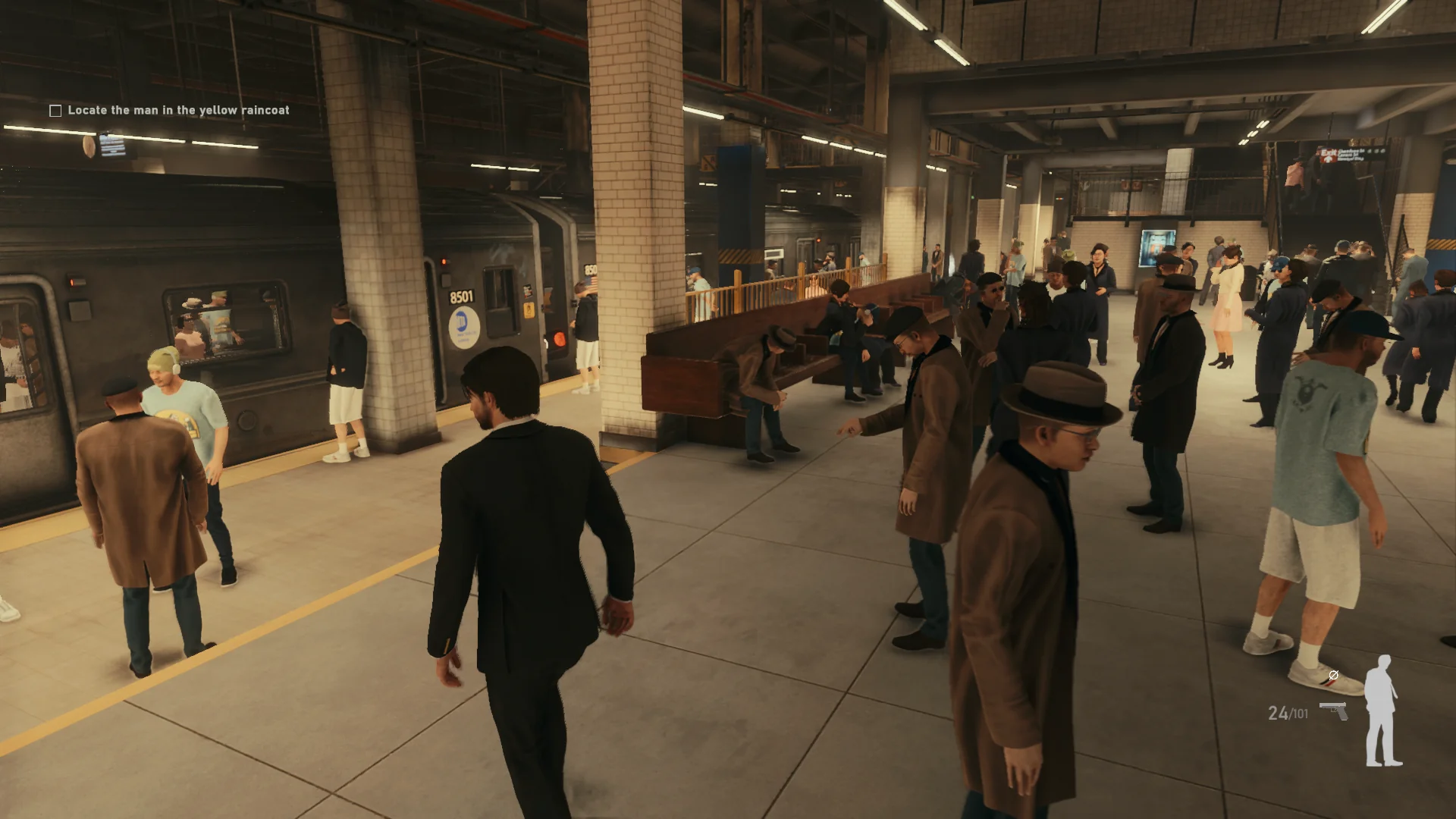
The core part of the “night” gameplay is gunplay, and the game nails that part with a range of moves, elaborate choreography of takedowns that make you feel like you’re playing a John Wick game, detailed options like discarding the entire magazine when reloading, and even accounting for the chambered bullet. I can’t say the same for melee, sadly: it attempts to be more than mindless button-mashing, but the timing windows of moves are really difficult to get right and devoid of fun, and the hit/kick range of enemy fighters is far too high – they hit Anton with kicks that are way too far and visually miss him by an arm’s length.
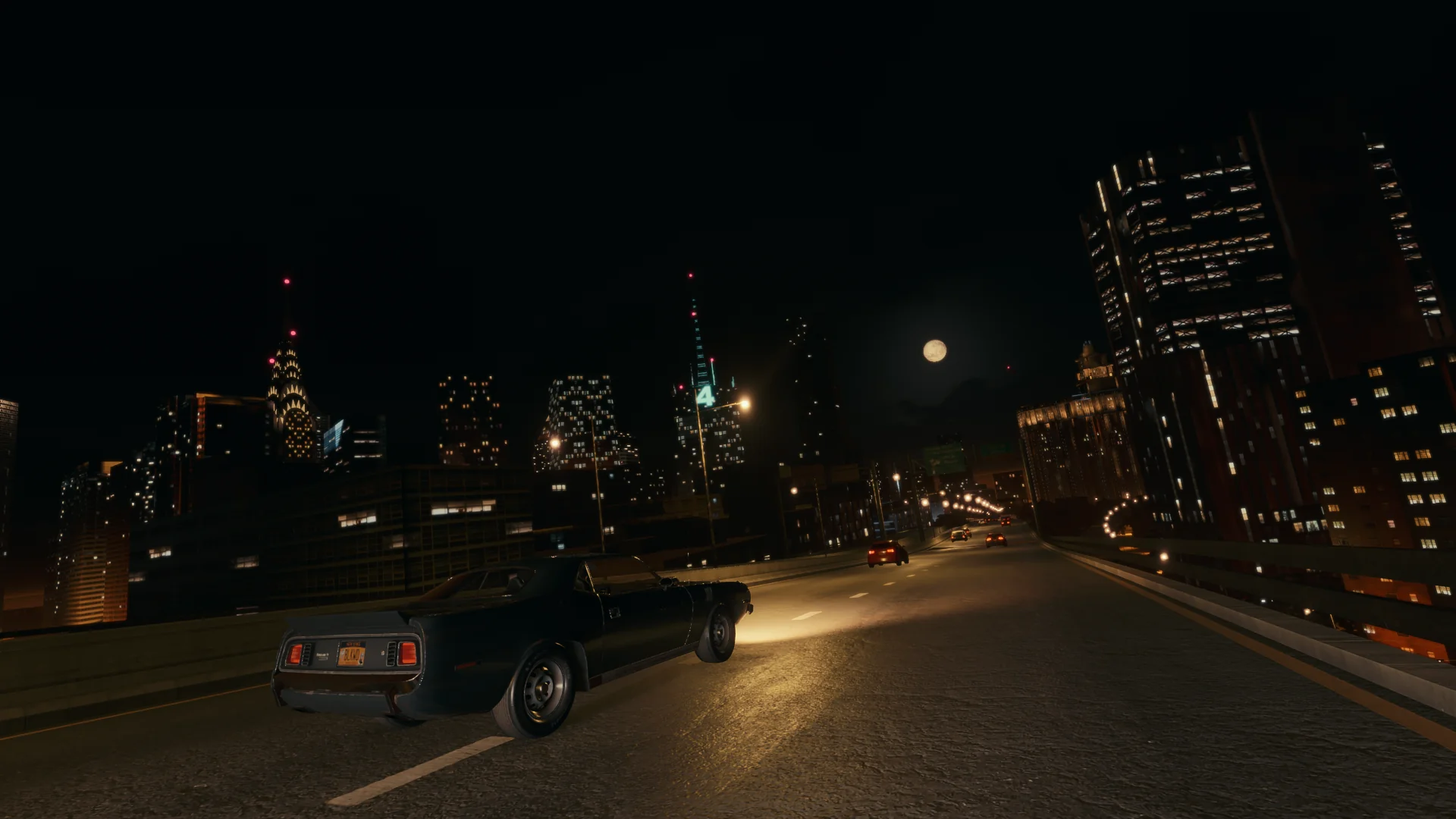
A singular driving section present in Act 1 sits right in the middle as far as my impressions go: the core driving is surprisingly enjoyable, and the car behaves “good enough” for a game not centered around traversing the world, but collisions against the environment are lifeless and need work. Act 2 is said to have more driving segments, so I suspect those aspects may be improved later. Since those sections are much faster-paced than anything else in the game, TAA ghosting becomes fairly noticeable even on the highest AA setting.
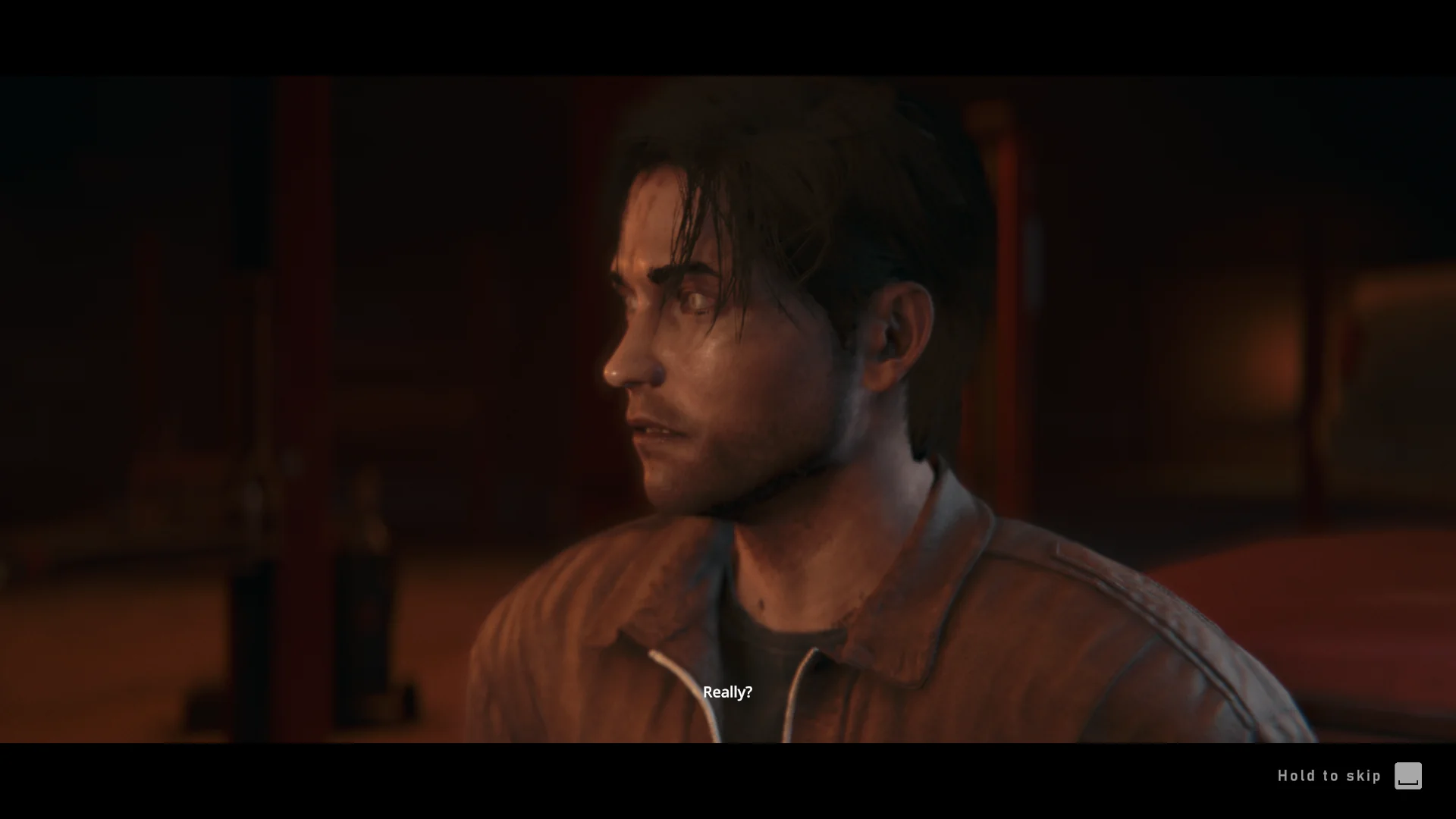
It’s likely obvious from the above comparison, but visuals are fairly inconsistent: sometimes the game looks great, and you have a hard time believing it’s Unity; other times it looks dated even if we were to imagine it’s a 2012 game. It doesn’t make the game any less enjoyable, as those inconsistencies don’t impact the overall clarity of the game, but it’s nowhere close to the “AAA quality”, for better or worse.
That said, I want to mention that over the course of the preview period, I reported over two dozen issues, most of which were addressed nearly immediately. I prefer to judge the game not by how many issues it has, but by the response to them being documented – and that was handled flawlessly, in my opinion. Tiny gameplay issues are easily corrected, and seeing them corrected adds up to an overall better experience for everyone.
The technicalities
As mentioned earlier, Blackwood runs on Unity 6.5, which actually caught me off guard – the reveal trailer looked like it could have been an Unreal Engine 5 game. No ray tracing is used; everything is “traditionally” rendered, which translates to (generally speaking) simpler, more old-school lighting, but also makes native resolution rendering viable. This time, I benchmarked the game only on my primary PC with an Intel Core i9-12900K and NVIDIA GeForce RTX 5070 Ti, as my secondary PC is way below the minimum requirements.
All screenshots in this article were taken on the max details, unless stated otherwise.
Blackwood’s range of graphics options is rather surprising for Unity, in a good way:
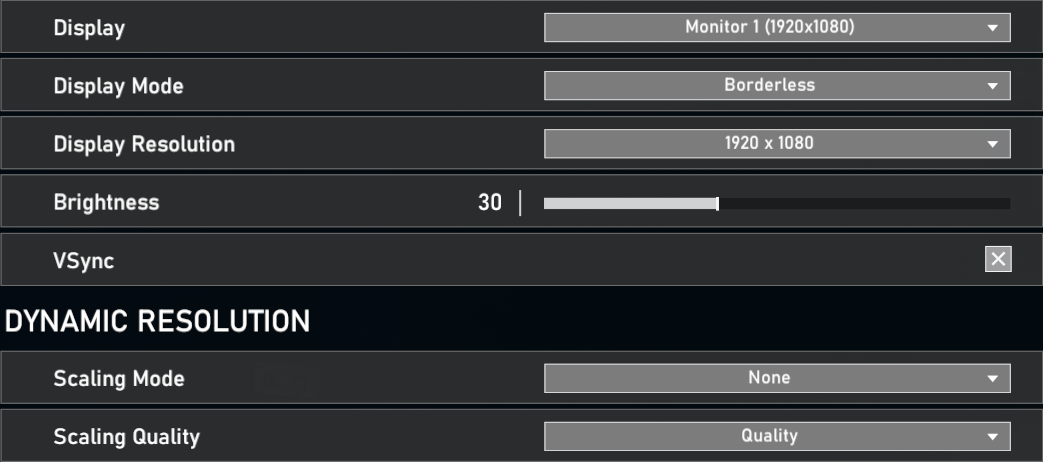
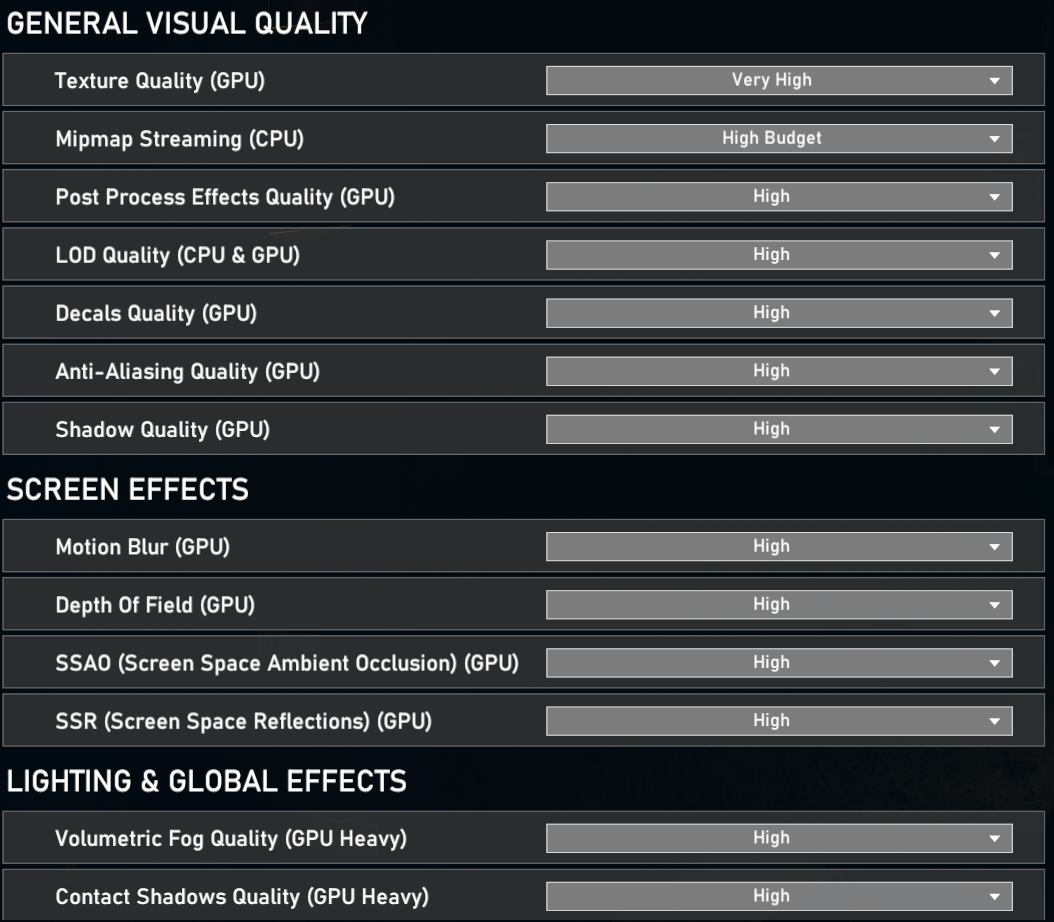
- Borderless and exclusive fullscreen are both available, so it is possible to use DSR, unlike in many other Unity games.
- Monitor selection is available.
- DLSS and FSR upscalers are available, although DLAA is not there. Frame generation is not available.
- AA options enable TAA, with seemingly no option for a different anti-aliasing solution.
- Most importantly, each option is annotated whether it impacts the CPU or GPU performance! From my testing, those annotations also seem to be mostly true, which helps when tailoring settings for your own configuration.
The only thing I am missing from this screen is presets – Low/Medium/High presets could be beneficial for quickly establishing a baseline level of detail and going up/down from there.
For comparisons, I had to improvise and came up with four presets of my own. Those “presets” correspond to what I later used in benchmarks.
| Lowest | Low | Medium | High | |
|---|---|---|---|---|
| Texture Quality | Low | Low | Medium | Very High |
| Mipmap Streaming | Off | Low Budget | Medium Budget | High Budget |
| Post Process Effects Quality | Low | Low | Low | High |
| LOD Quality | Low | Low | Medium | High |
| Decals Quality | Low | Low | Medium | High |
| Anti-Aliasing Quality | Off | Low | Medium | High |
| Shadow Quality | Low | Low | Medium | High |
| Motion Blur | Off | Low | Medium | High |
| Depth of Field | Off | Low | Medium | High |
| SSAO | Off | Low | Medium | High |
| SSR | Off | Low | Medium | High |
| Volumetric Fog Quality | Low | Low | Medium | High |
| Contact Shadows Quality | Off | Low | Medium | High |
The game’s neo-noir vibe means it looks drastically different during the night-time missions, so for those comparisons, I picked the starting area in Anton’s apartment:
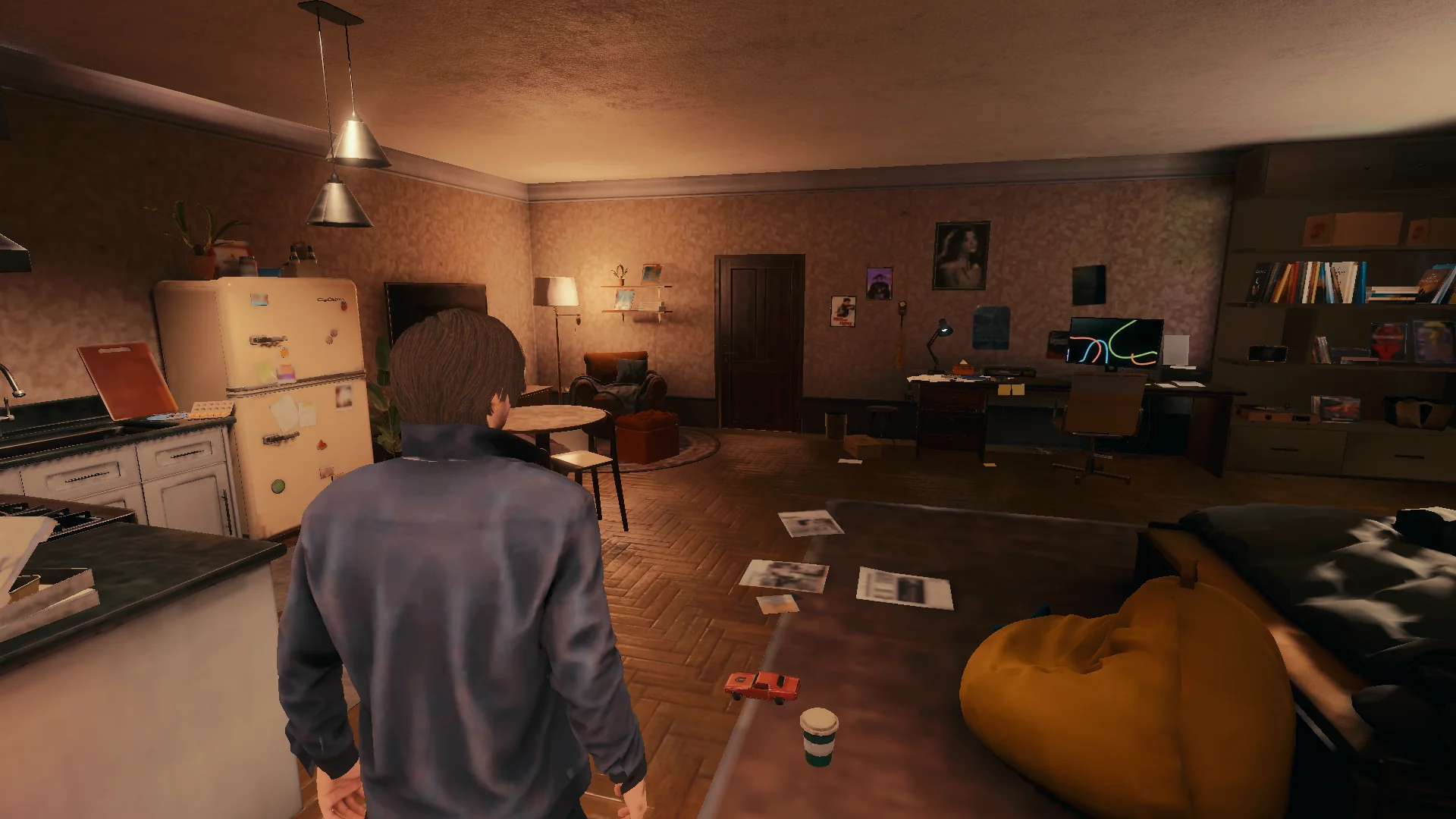
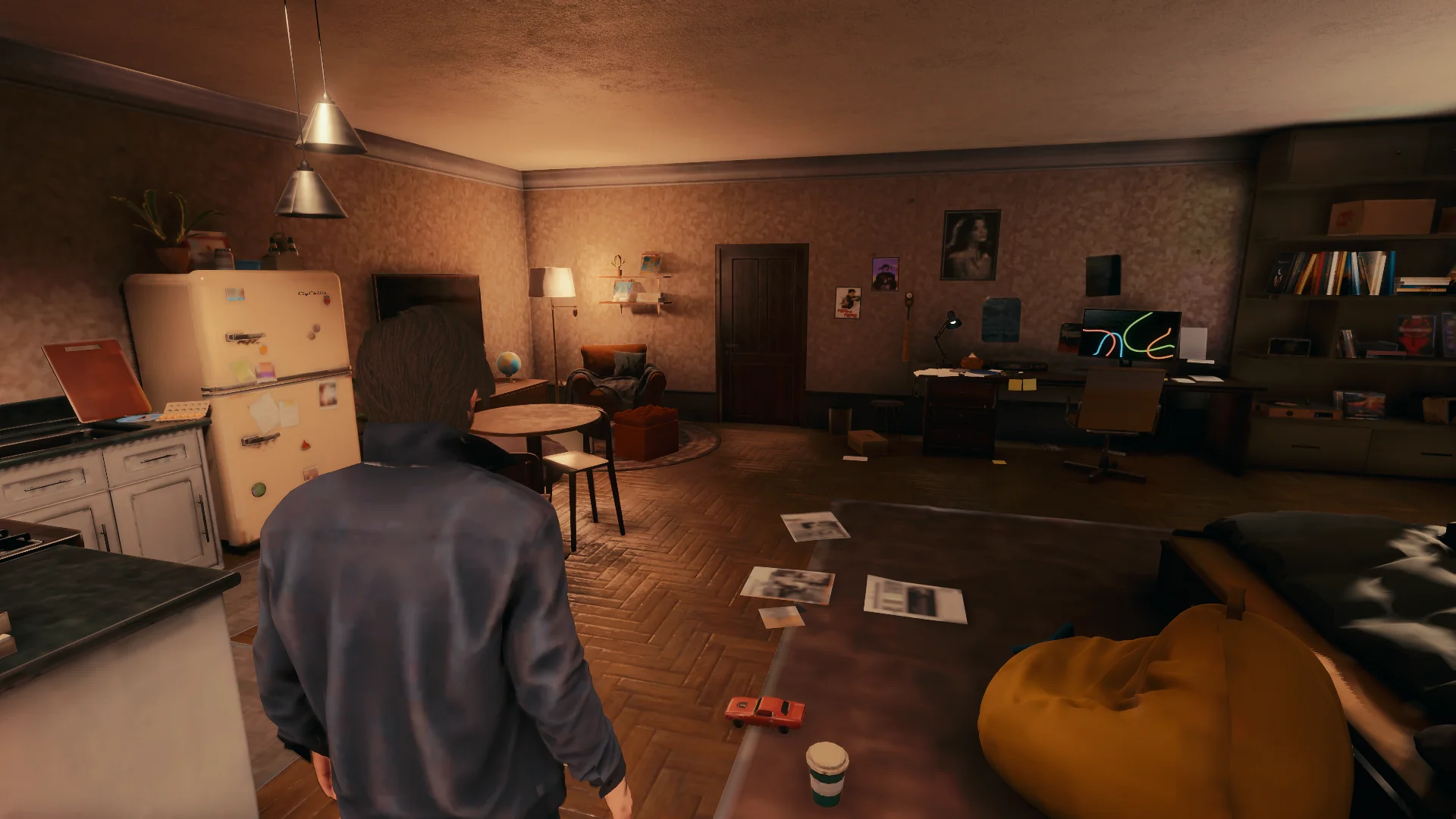
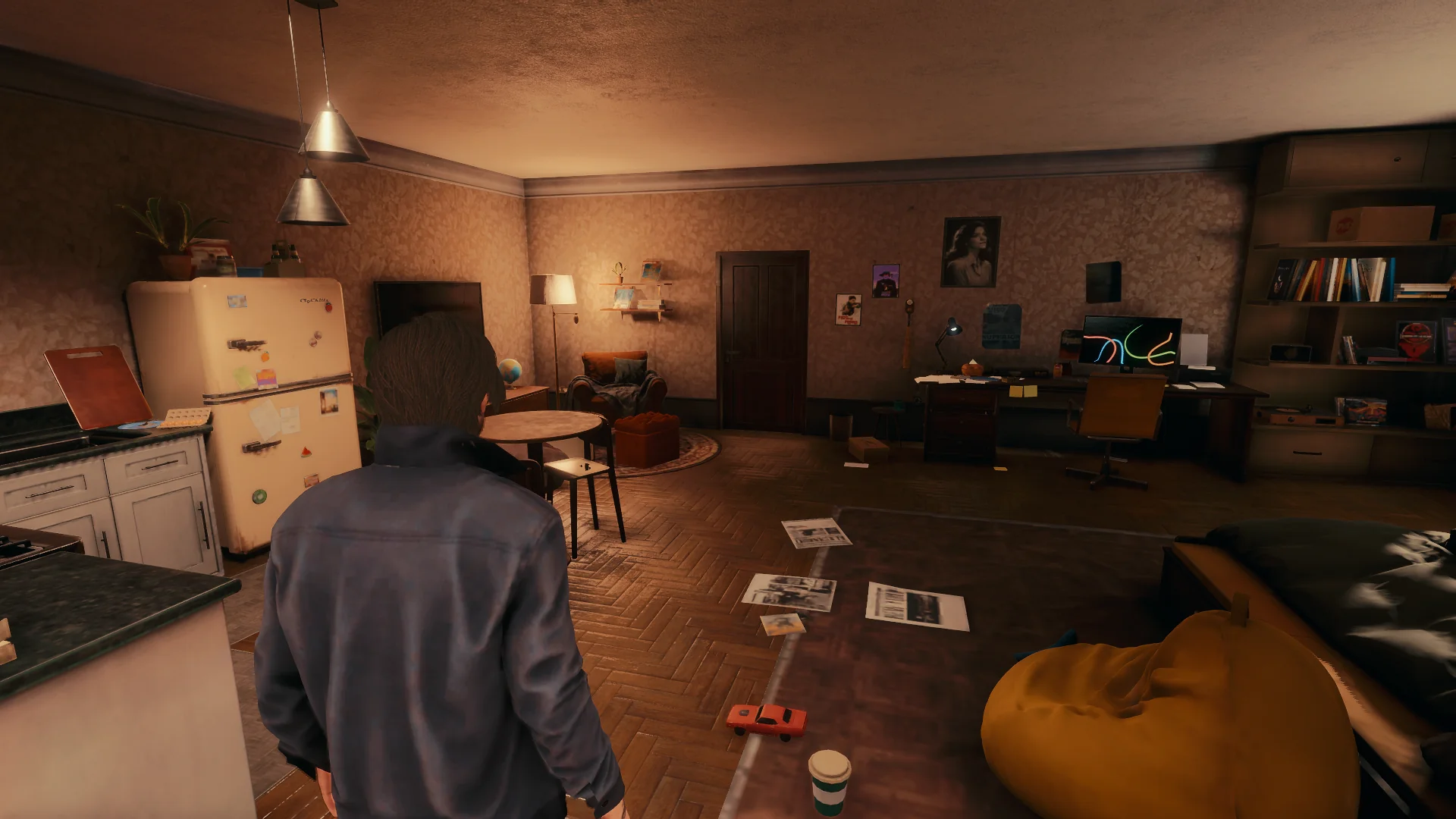
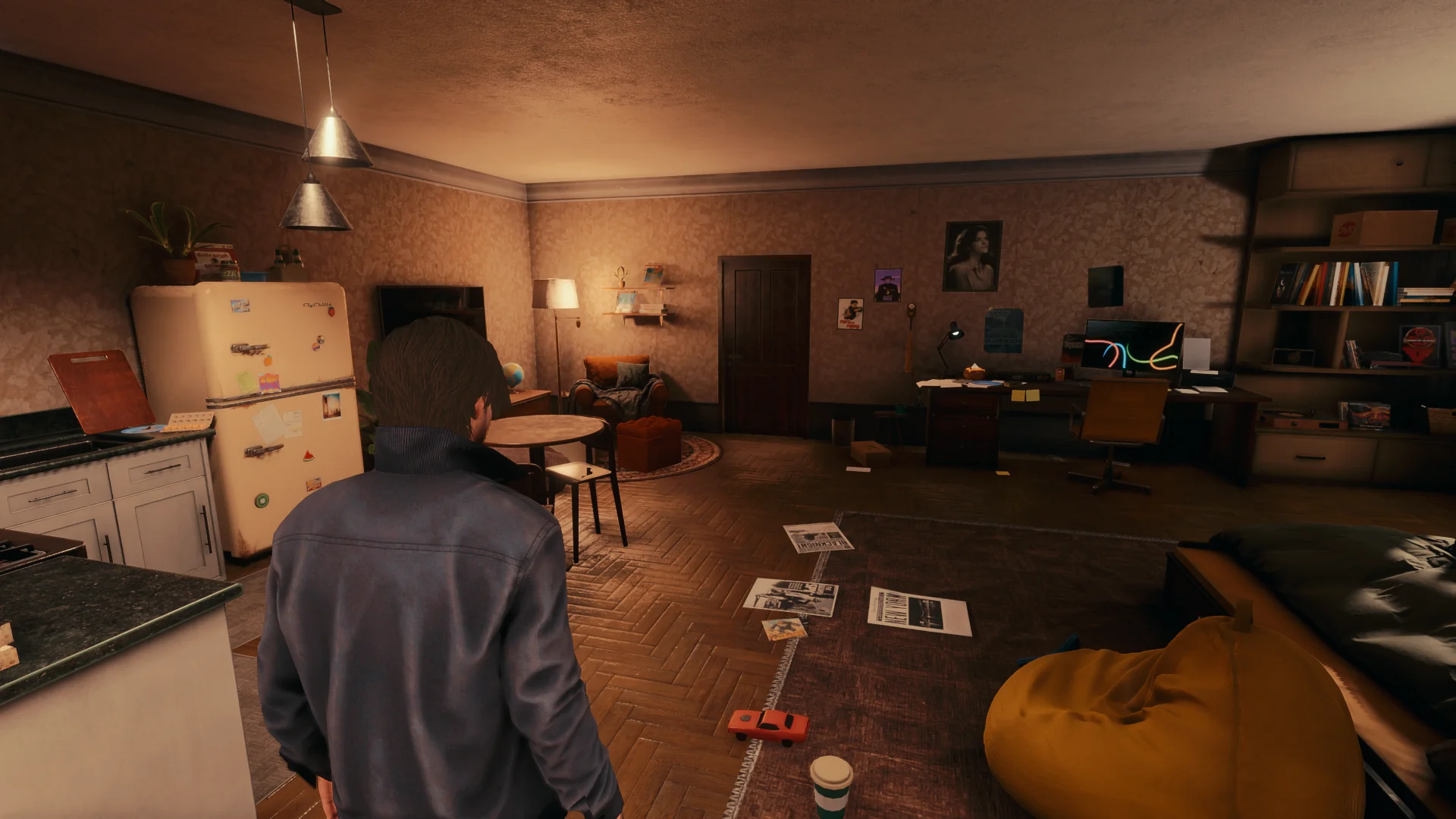
At least in this scenario, differences are slim. The biggest changes are in the texture resolution, better shading on Anton, shadow resolution and draw distance, and SSAO quality. Other scenes might show greater differences, especially in combat with debris and smoke flying around, but in the home hub area, that’s all there is to it. In other levels, small objects have a closer draw distance on the lower LOD Quality settings, but it’s not the case with the apartment props.
Benchmarks
For a benchmark, I used the starting segment of one of the Contract missions – taking an elevator up to a room with multiple enemies, with a window overlooking most of the level with a multitude of lights and shadowed areas. Because of the game’s 165 FPS cap, I ran the benchmark at native 4K, with no upscaling; otherwise, a true performance ceiling was hidden behind the frame limiter. I ran the benchmarks with the settings matching the table I posted above. The game offers DirectX 11 and DirectX 12 – benchmarks were done with DirectX 12.
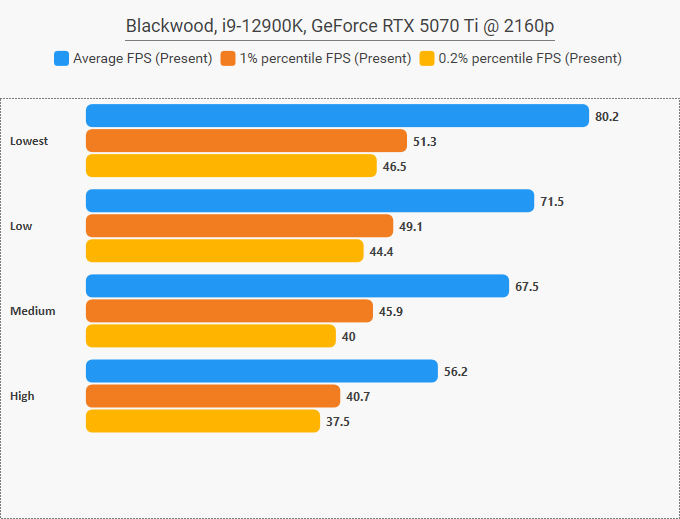
It’s a GPU-heavy game, that’s for sure. 4K@60 seems to be mostly achievable on this GPU, but it might make more sense to use DLSS Quality or Balanced rather than going for native rendering, not with this variance of frame rates IMO. Post Process Effects Quality seems to be exceptionally GPU heavy, so setting it to Low should be your first choice if you need more GPU performance.
Steam Hardware
For both Deck and Machine, I found out that DX11 works much better than DX12: it’s more stable and has noticeably higher average frame rates.
Steam Deck
Blackwood is not Steam Deck verified, and it’s clear why – even at the lowest settings and FSR Performance, best you can hope for is 40 FPS:
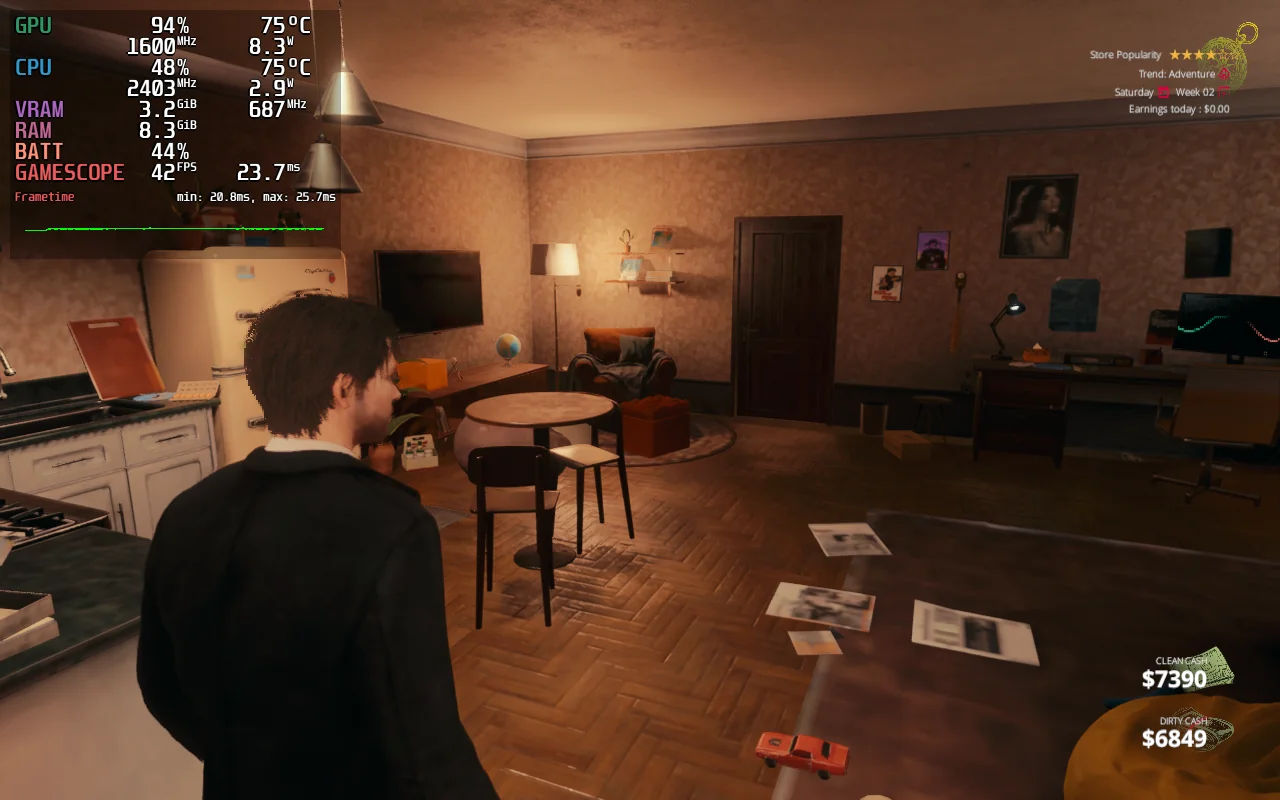
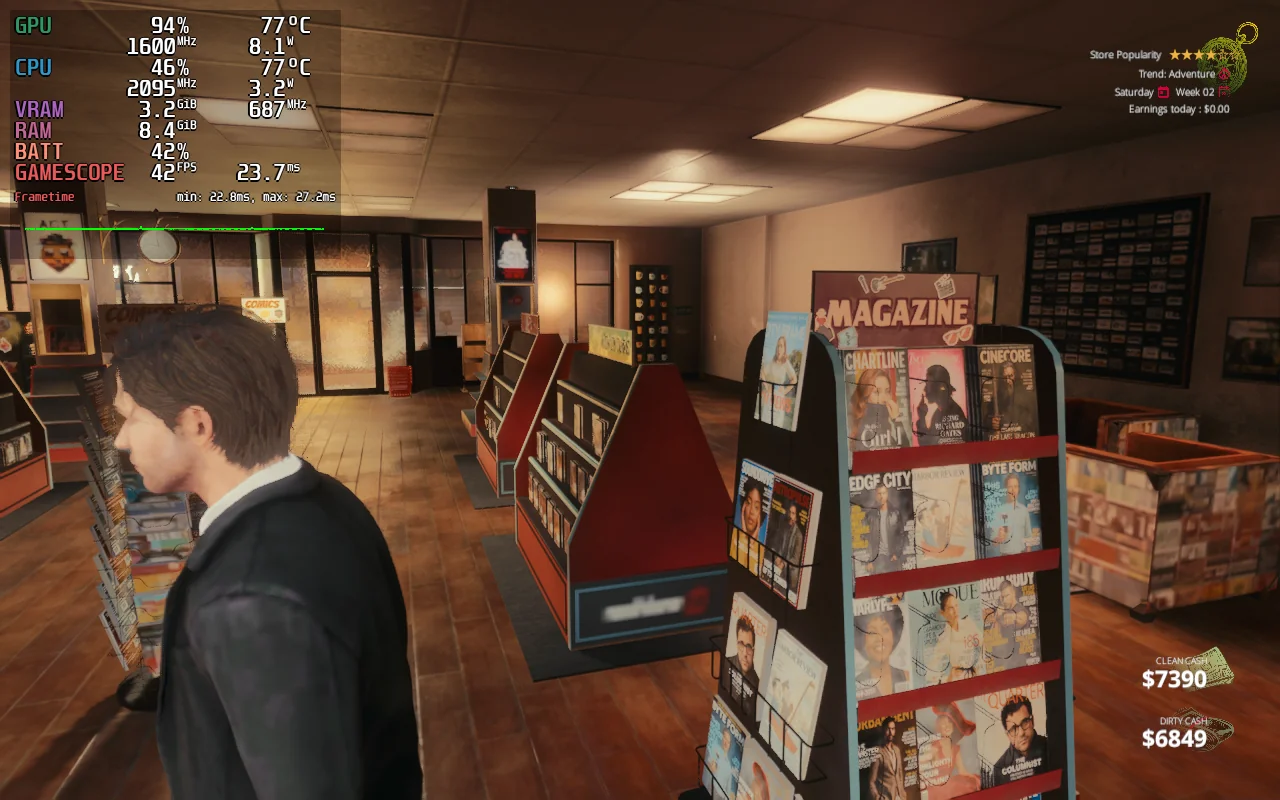
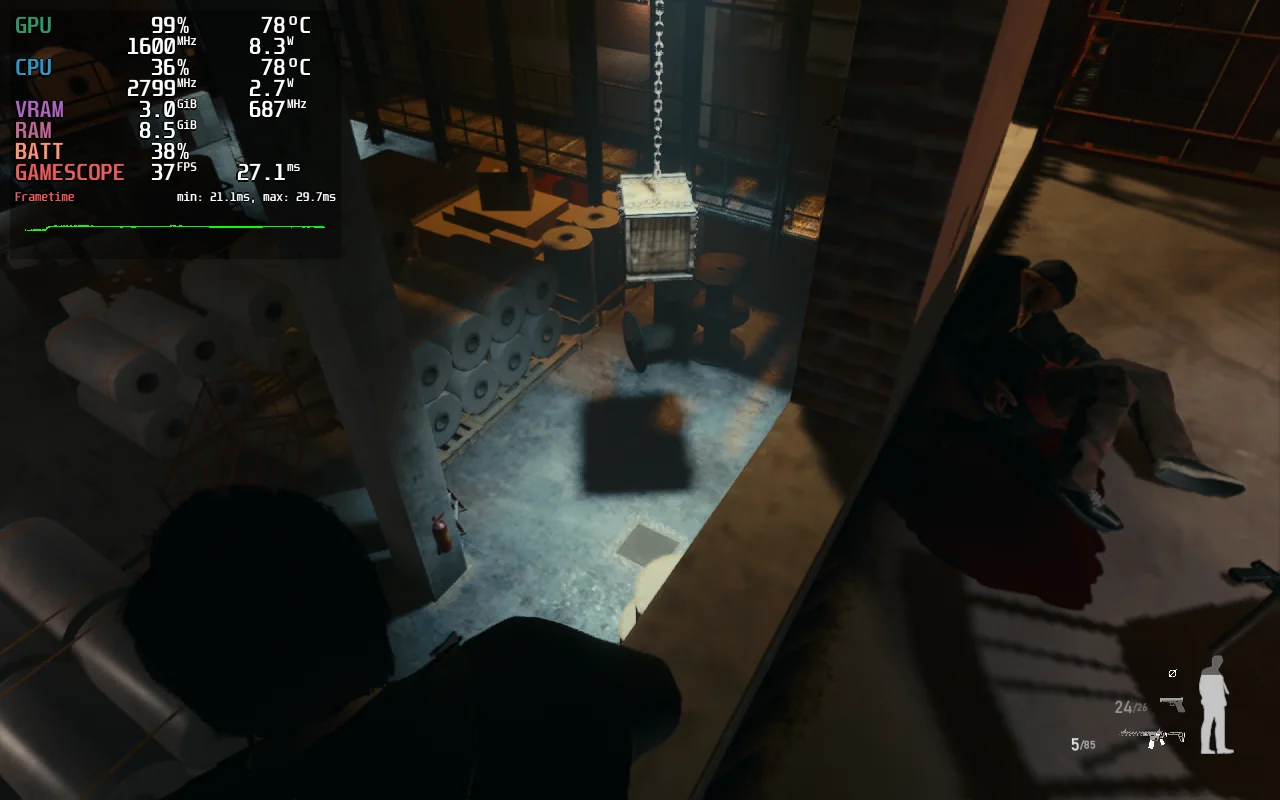
The GPU bottleneck that was showing up in benchmarks becomes a killer here. It is possible to play the game on the Deck, but extended shader compilation times and average performance don’t make it a great experience. Over time, more shaders will be gathered by Proton, so the shader compilation times will cease to be an issue, but it’s just a workaround. If you have to play on the Deck, I’d stick to 30 FPS.
Curiously, DX11 is a must on the Deck – when using DX12, the game was unstable and showed graphical artifacts in some spots, none of which were an issue in DX11.
Steam Machine
Unsurprisingly, the game is Steam Machine verified, which means it’s playable in 1080p. For my tests, I tried it in 1440p and settled on satisfactory settings with:
- FSR Balanced.
- Texture Quality set to High, as Very High appears to require >8GB VRAM.
- Post Process Effects Quality set to Low.
- Volumetric Fog Quality and Contact Shadows Quality set to Medium.
- Everything else maxed out.
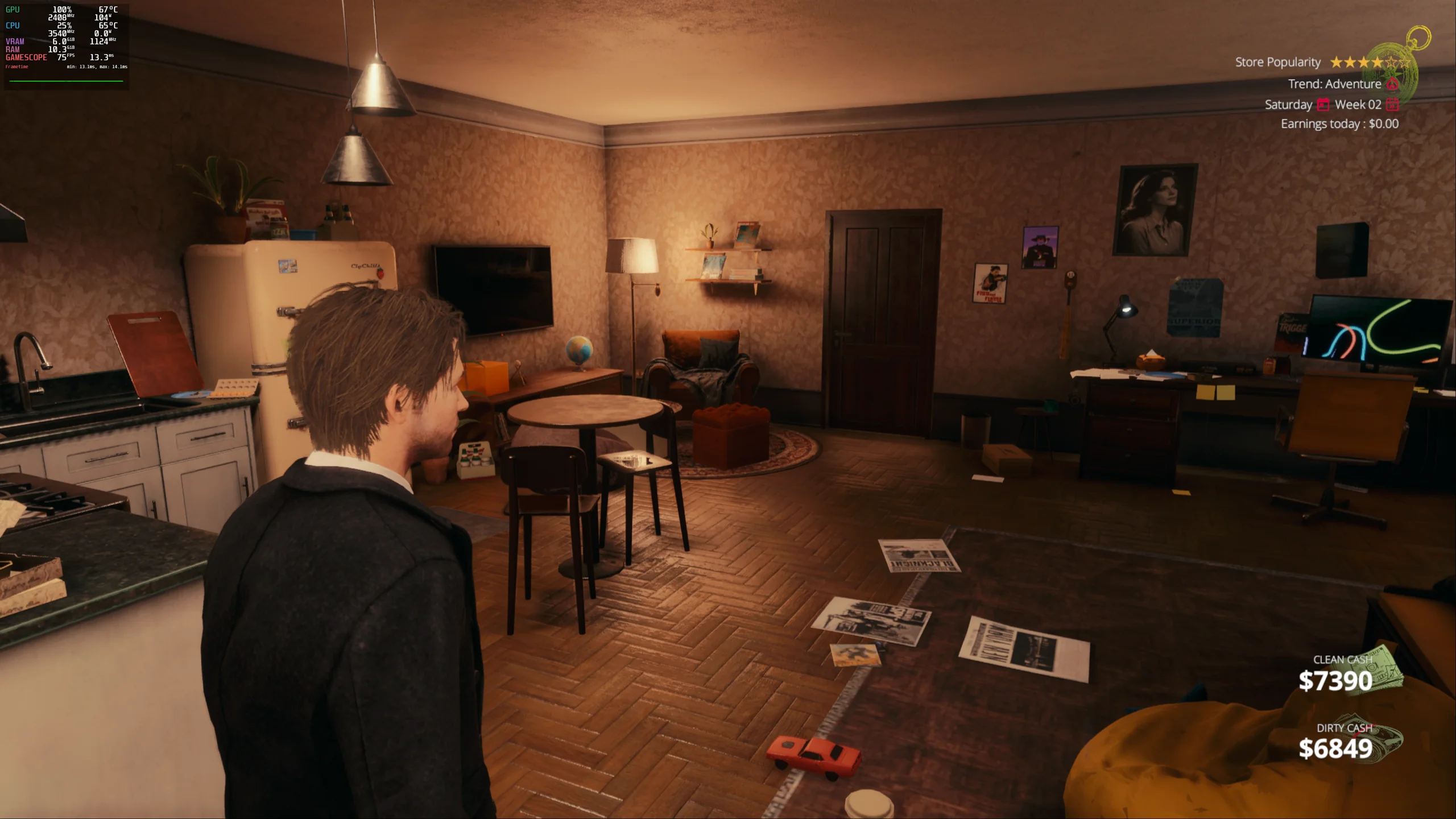
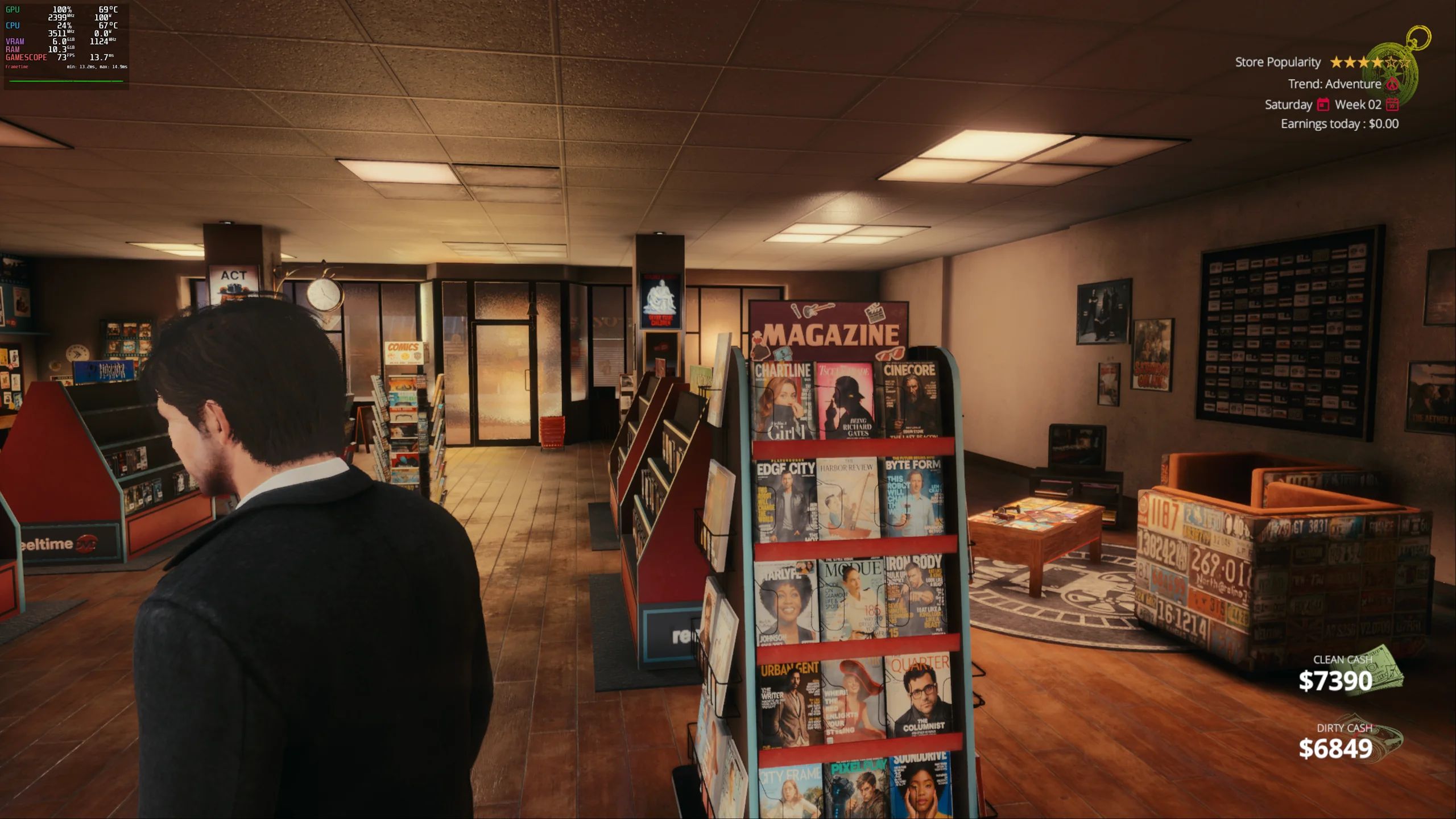
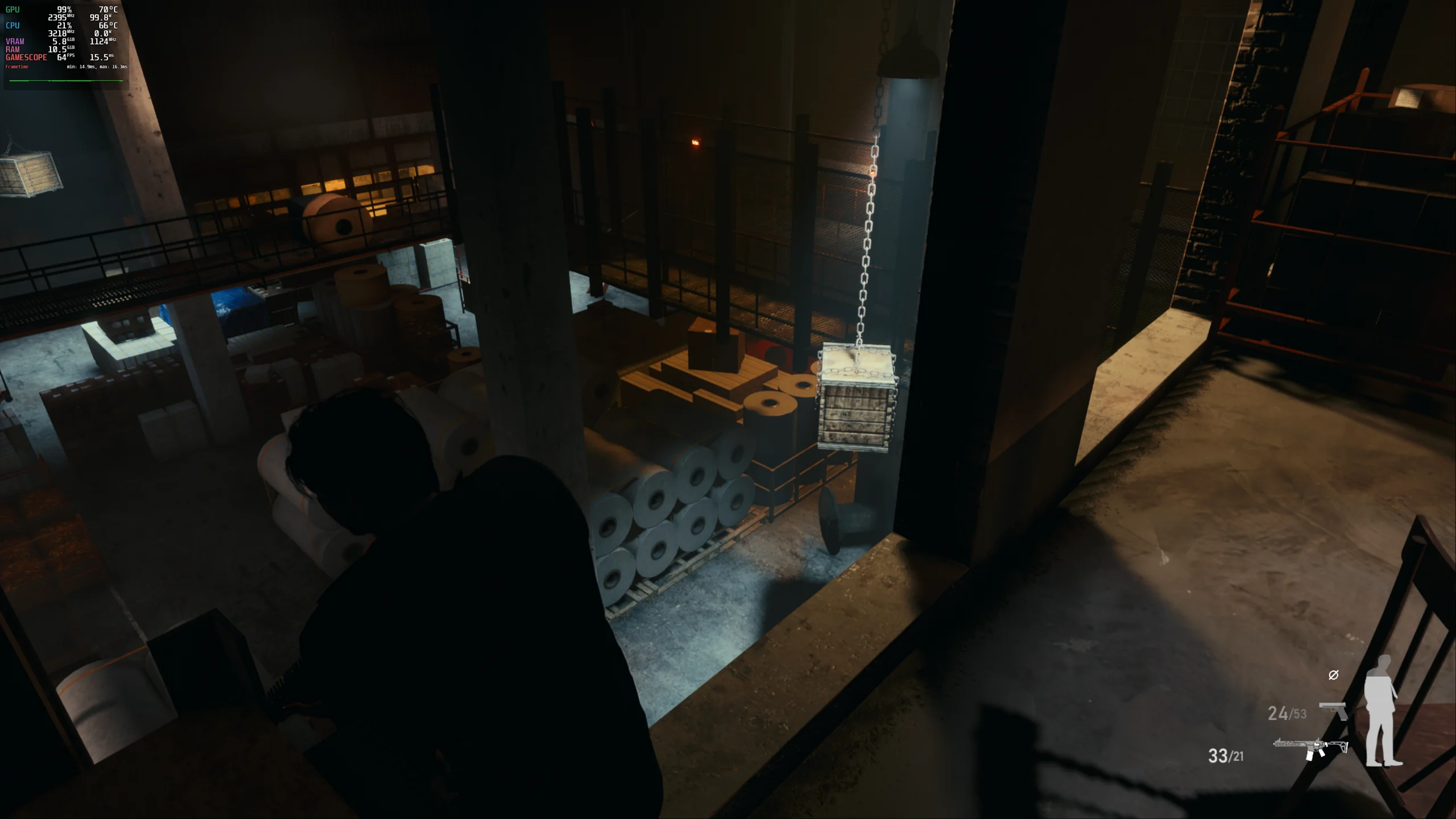
GabeCube Steam Machine did not face any of the DX12 issues the Deck showed, but performance was still better when using DX11. Unfortunately,
60 FPS in 4K is not achievable even with the most aggressive upscaling, which makes sense if it’s post-processing specifically that is the bottleneck.
Buy or skip?
I had a very good time playing Blackwood, and it surprised me with how ambitious it is, and I think it’s worth $24.99 in its current state. However, with its episodic release model, those on the fence may decide to wait it out and get the full pack once it’s out. I will certainly be there for Act 2 and Act 3 to see how the story unfolds, and what else is in store, both figuratively and literally.